 Metafix Metal
 / Resources
X-Ray Film Silver Recovery: How Used Film Becomes Revenue
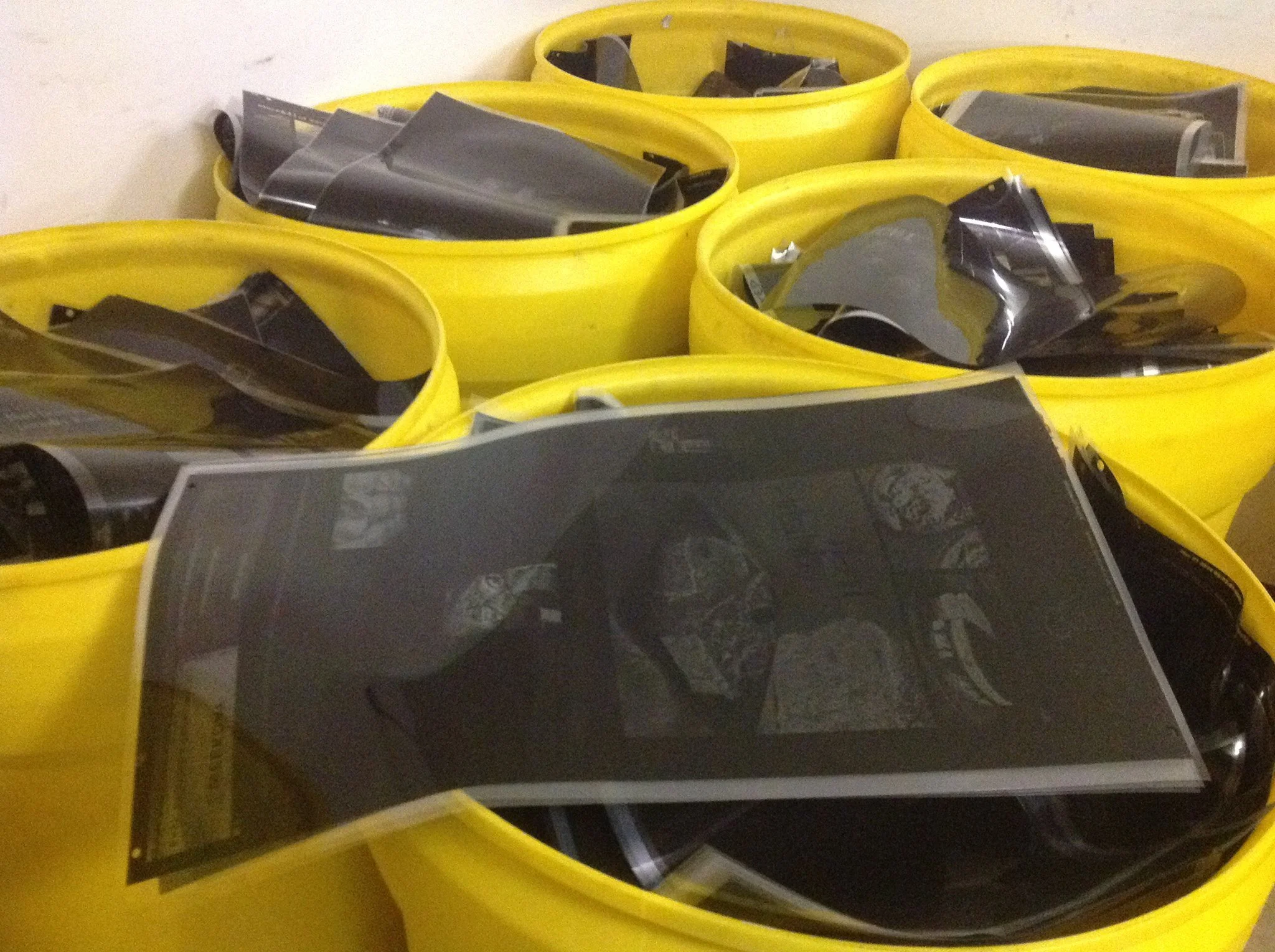
Every sheet of industrial X-ray film carries a thin layer of silver. Once an inspection is done and the film is no longer needed, that silver is still there, and it is worth recovering. This guide explains how much silver your film holds, how recovery works, what the rules look like, and how to get the most value from it.
Why X-ray film contains silver
Radiographic film works because its emulsion is packed with light-sensitive silver halide crystals suspended in gelatin. When film is exposed and developed, those crystals form the image. Film used in non-destructive testing (NDT) of welds, castings and aerospace components is commonly coated on both sides, which means more emulsion, and more silver, per sheet.
After development and fixing, a large share of the silver stays in the film. A second share ends up dissolved in the spent fixer solution. Both streams are worth capturing.
How much silver is in your film?
One widely cited recycling guide puts the figure at 5 to 15 grams of silver per kilogram of film, the highest concentration of any common photographic material (Earth911). Exact yields depend on the film type, whether it is single or double coated, and how it was processed.
| Film on hand | Approximate silver content |
|---|---|
| 10 kg | 50 to 150 g (about 1.6 to 4.8 troy oz) |
| 100 kg | 500 to 1,500 g (about 16 to 48 troy oz) |
| 1,000 kg | 5 to 15 kg (about 160 to 480 troy oz) |
These are estimates for planning only. Multiply the troy ounces by the current silver spot price to see the order of magnitude; the final payout depends on the assay of your actual material.
How silver is recovered from X-ray film
Recovery separates the silver from the plastic base, then refines it to bullion grade. A typical process looks like this:
- Collection and sorting. Film is weighed and checked, and paper envelopes and other non-film material are removed.
- Stripping the emulsion. The film is shredded or washed so the silver-bearing layer separates from the plastic.
- Silver recovery. The silver is concentrated, for example by electrolysis, and then refined into high-purity silver.
- Recycling the base. The cleaned PET plastic film base can go on to plastic recyclers, so nothing needs to go to landfill.
Well-run wash and refining processes recover more than 99.9% of the silver in the film (Earth911). Research groups are also developing gentler routes, such as enzyme-based stripping, that reach 99.9% pure silver (WIT Press).
Don’t forget the fixer solution
Film is only half the story. Spent fixer and wash water from film processors carry dissolved silver. Capturing it on site, before it reaches the drain, protects the environment and recovers more value. Many labs treat fixer with metallic replacement or electrolytic units and send the silver-rich output out for refining. We cover this side of the business as well: Metafix designs and manufactures on-site silver recovery systems that capture silver from fixer and wash water, so one partner can handle both film and solution.
Regulations: why documented recycling matters
Silver-bearing waste is treated differently from ordinary hazardous waste when it is sent for reclamation. In the United States, for example, recyclable materials used for precious metal recovery are exempt from full hazardous waste regulation, but generators still have administrative duties: obtaining an EPA ID number, keeping records, manifesting off-site shipments for recovery, and being able to show that at least 75% of accumulated material is recycled each year (Iowa Waste Reduction Center summary of 40 CFR 266 Subpart F). Other jurisdictions, including Canadian provinces, have their own rules, so confirm what applies to your site. This is general information, not legal advice.
In practice, the safest approach is simple: label silver-bearing waste, keep weight and shipment records, and use a recovery partner that provides documentation for every lot.
Why recovering silver matters now
Silver is both a precious metal and a critical industrial input for electronics, solar and batteries. The Silver Institute’s World Silver Survey 2026 reports a deficit of about 46.3 million ounces for 2026, the sixth consecutive year in which demand outstrips supply (Metal.com summary). Supply from recycled material helps close that gap, and it keeps silver out of landfills and groundwater.
Best practices for NDT labs and film holders
- Keep film dry and separate. Store it away from other waste, in clean, labeled containers.
- Remove non-film material. Paper, cardboard and metal clips add weight but no silver.
- Record the weight. Note quantities and dates for your files and for the shipment.
- Check retention requirements first. Some codes and customer contracts require film to be kept for set periods. Release film only when you are cleared to do so.
- Collect fixer separately. Do not mix it with other chemicals.
- Ship with paperwork. Use a recovery partner that supplies settlement documentation for each lot.
Frequently asked questions
How much silver is in X-ray film?
Roughly 5 to 15 grams per kilogram, depending on film type and processing.
Is old X-ray film hazardous?
The film itself is not dangerous to handle, but the silver it contains can leach into soil and groundwater if it is landfilled. Recycling keeps it out of the environment.
Does digital radiography make film recovery irrelevant?
No. Many labs still hold archives, and film remains in use across NDT. Retired film stock and archives are exactly what recovery partners take.
Can I recover silver from both film and fixer?
Yes. Film and spent fixer are separate streams, and both carry silver. Recovering both captures the most value.
Does Metafix Metal accept industrial radiography film?
Yes. We recover silver from X-ray film used in non-destructive testing, and we refine it using industry-leading techniques with over 35 years of metal recovery experience.